How Much Does Water Heater Replacement Cost in Greenville, SC?
Your Hot Water Just Stopped Being Hot
You’re standing under a shower that turned lukewarm halfway through, or you fill the tank and watch the temperature drop in real time. Your water heater isn’t dead yet, but it’s clearly on its way. The question sitting in the back of your head is always the same: how much is this actually going to cost. If you’re searching for water heater replacement cost Greenville SC before calling someone, that’s the smart move, and getting a straight answer starts with a conversation at 864-546-9959.
What Happens When a Water Heater Is Failing
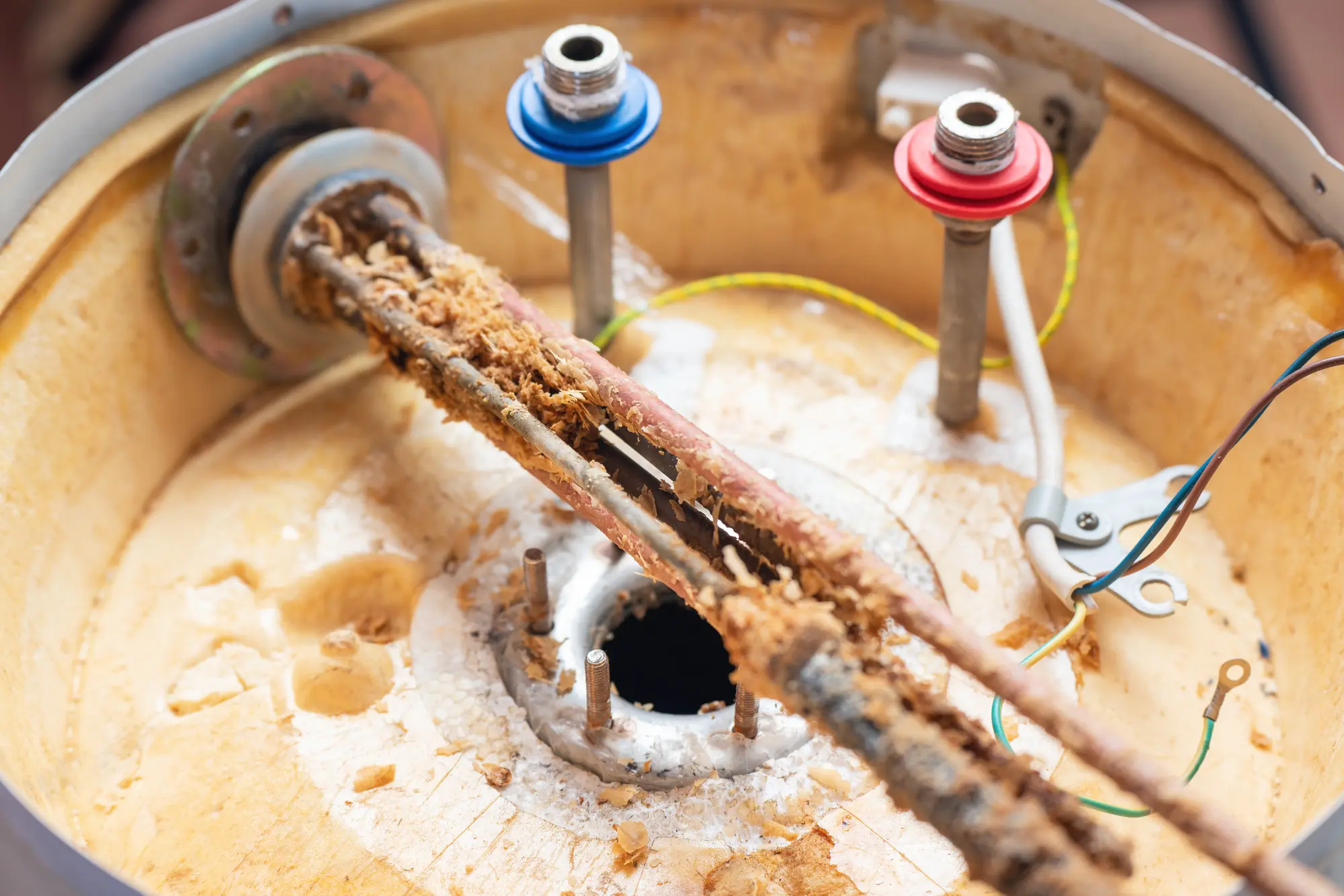
A water heater replacement becomes necessary when the unit inside is corroding, the heating element is wearing out, or the tank itself has developed a leak or weak spot. There’s no single price because the cost depends on what model you have, what size you need, and whether the job involves just swapping the unit or fixing surrounding pipes and connections first.
Picture what you’re actually looking at: a large tank in your basement or closet that’s been heating water day and night for years. Most last 10 to 15 years before efficiency drops and failure becomes likely. When it goes, you don’t have hot water for showers, laundry, dishes, or anything else. That’s not just an inconvenience. It’s a ripple effect through your whole household routine. And if it fails by leaking instead of just losing heat, you’re dealing with water damage on top of no hot water.
That combination is what makes people search for water heater replacement cost. They want to know what they’re looking at before they call, so they can plan and not be blindsided by the bill.
What Actually Moves the Price Up or Down
A few factors show up every time someone gets an estimate for water heater replacement. Understanding them means you won’t be surprised when the number comes back.
- Type of unit: traditional tank, tankless, or hybrid system
- Size needed based on your household’s hot water demand
- Fuel source: electric, gas, or solar
- Age of surrounding pipes and whether they need work too
- Ease of access to the unit and space to work
- Whether you’re upgrading or replacing with the same type
- Local codes and permit requirements
A straightforward replacement in an easy-to-reach location with modern plumbing around it is going to be cleaner and faster than a job where the unit is tucked into a tight space and the surrounding pipes need attention. That difference shows up in the labor time, and labor time is where most of the cost lives.
Tankless water heaters tend to have a higher upfront cost than traditional tanks, but they take up less space and heat water on demand instead of constantly reheating a stored supply. For some households that’s worth it. For others, a traditional replacement makes more sense. That choice affects the number, but it’s a choice you get to make once you know what the options actually cost.
What Skipping a Replacement Actually Costs You
The financial risk with a failing water heater isn’t just the replacement itself. It’s what happens when an old unit fails catastrophically instead of gradually, and what that failure does to your home.
A slow decline in heating power means you’re getting less hot water, taking shorter showers, and adjusting your routine around a broken system. That’s annoying and wasteful. A sudden failure where the tank ruptures or leaks internally is a different problem entirely. Water pooling around the unit can damage floors, drywall, and whatever’s stored nearby. That water can migrate into walls and crawlspaces where you won’t see it until mold has already started growing.
National data on water damage restoration shows homeowners typically pay between roughly $1,300 and $6,300 for cleanup after water damage, averaging around $3,800, and severe cases can run significantly higher. That’s on top of the water heater replacement itself. A proactive replacement while the old unit is still working costs less and avoids the restoration problem entirely. Waiting for a catastrophic failure means paying for two jobs instead of one.
The real cost of delay isn’t measured in the replacement bill. It’s measured in the water damage restoration that might not happen if you act while you still have the choice.
Why Homeowners in Greenville Choose Quik Plumbing
Getting the right replacement starts with someone who’s installed dozens of water heaters and knows what fits your home, your needs, and your budget.
Quik Plumbing handles water heater installation and replacement across Greenville, from traditional tank systems to tankless upgrades. A technician will look at your current setup, ask about your household’s hot water demand, explain the options without pressure, and walk you through what makes sense for your situation. You get clarity before you commit, not a sales pitch masquerading as advice.
The work includes removing the old unit, disposing of it properly, installing the new one, checking all the connections, and making sure the system is running correctly before leaving. If surrounding pipes need attention or adjustments, that gets flagged and handled as part of the job. A water heater replacement from Quik Plumbing isn’t just swapping a unit. It’s a complete transition that protects your system for the next decade.
For households weighing water heater repair against replacement, or wondering about the jump to a tankless water heater installation, those conversations happen during the initial assessment. Across Greenville, homeowners appreciate knowing exactly what they’re looking at before any commitment is made.
Stop Guessing and Get a Real Number
Your water heater isn’t going to last forever, and when it starts failing, waiting doesn’t make it cheaper. It makes it riskier and more likely to cost you more in water damage if it fails suddenly.
Call Quik Plumbing at 864-546-9959 and get a real assessment of whether repair or replacement makes sense, and what the cost actually looks like for your specific home.

0 Comments