
Gas Water Heater Replacement in Greenville, SC: Cost, Timing & Installation
Gas Water Heaters Deliver Hot Water Fast, and Replacing One Takes Planning Beyond Just Picking a New Tank
Most Greenville homes rely on gas water heaters because they heat water quickly and cost less to operate than electric units. When yours needs replacement, the job involves more than swapping the tank. Gas lines, venting, and safety connections all factor into the installation. Understanding what’s involved helps you plan for cost and timeline. Call Quik Plumbing at 864-546-9959 to discuss gas water heater replacement and get a clear picture of what the project entails for your home.
Why Gas Water Heaters Are Common in Greenville
Gas water heaters are popular in upstate South Carolina because they recover hot water fast. A gas unit can reheat water quickly, which matters in homes where multiple people shower in the morning or where you run a lot of hot water at once. Gas units cost less to operate monthly compared to electric models because natural gas is cheaper than electricity in most areas. Many homes already have gas lines installed for water heaters and other appliances, which makes gas replacement the natural choice when the old unit fails.
What Happens During Gas Water Heater Replacement
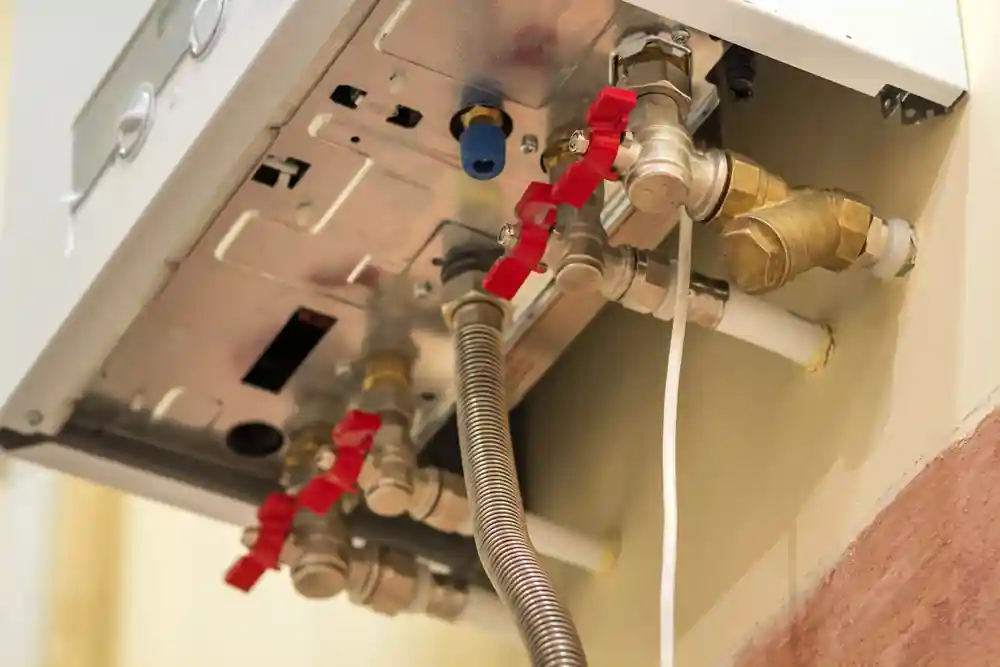
The plumber arrives and evaluates your existing water heater and the space around it. They turn off the gas supply and the water supply. They drain the tank, disconnect the gas line and water connections, and remove the old unit. They install the new water heater in the same location, reconnect the water lines, and reconnect the gas line. They check for gas leaks using a specialized detector. They light the pilot light and test the unit to confirm it’s heating water. The process typically takes a few hours for a straightforward replacement in an accessible space.
Gas Lines and Safety During Replacement
If your old gas line can be reused, the replacement stays straightforward. If the gas line is old, corroded, or sized incorrectly for the new unit, it needs to be replaced. A new gas line adds time and cost to the project. The plumber will test all connections for gas leaks before considering the job complete. Gas safety is non-negotiable. A leaked gas connection is dangerous and must be fixed immediately. Never ignore any smell of gas or any sign of a leak after replacement.
Venting and Air Supply Requirements
Gas water heaters need proper venting to safely remove combustion gases from your home. The venting route depends on your current installation. If your water heater is in a basement with a chimney or existing vent stack, the new unit can often use the same vent. If the venting is deteriorated, blocked, or undersized, it needs repair or replacement. Some installations require new venting materials and work. This is part of the replacement cost. A plumber will assess your venting during the replacement and advise whether changes are necessary.
Cost Factors for Gas Water Heater Replacement
The water heater unit itself is one cost. Tank size, brand, and efficiency rating affect the price. A 40-gallon standard gas water heater costs differently than a 50-gallon high-efficiency model. Labor for installation is another cost. Straightforward replacements in accessible spaces cost less than installations requiring venting work or gas line replacement. If the gas line or venting needs updating, that adds to the total cost. Ask the plumber to itemize what’s included in the estimate so you understand what you’re paying for.
Tank Size and Your Water Needs
Most Greenville homes use a 40 or 50-gallon gas water heater. The size you choose depends on your household’s hot water demand. Two people might be comfortable with 40 gallons. A family of four or five usually needs 50 gallons or larger. Running out of hot water during showers is a sign your tank is too small. Oversizing the tank uses more energy and costs more upfront. The plumber can help you choose the right size based on your household and usage patterns.
Timeline for Gas Water Heater Replacement
A straightforward replacement typically takes three to four hours. That time covers removal, installation, connections, testing, and safety checks. If complications arise, such as venting issues or gas line problems, the job takes longer. Same-day replacement is possible for straightforward installations if you call in the morning. An afternoon call might mean next-day service because the plumber may already be booked. Planning ahead gives you flexibility. An emergency replacement when the old unit fails might cost more and take longer to schedule.
Gas Versus Electric Water Heater: The Replacement Choice
When replacing a gas water heater, you’re not locked into gas. You could switch to electric. An electric unit costs less upfront and requires no gas line. But electric units cost more to operate monthly and take longer to recover hot water. Most homeowners replacing a gas unit stick with gas because it’s what works for their home. Discuss the option with your plumber if you’re curious about switching, but understand the tradeoffs in cost and performance.
Preparing for Your Gas Water Heater Replacement
Before the plumber arrives, know where your gas and water shutoff valves are located. Clear the area around the water heater so the plumber has space to work. Ask the plumber about venting or gas line concerns when you schedule the appointment. Ask about tank size options and efficiency ratings so you’re ready to choose when they arrive. Knowing these details before the work starts keeps the process moving smoothly.
Get Your Gas Water Heater Replaced in Greenville
A gas water heater replacement is straightforward for most homes, though it involves more than just the tank itself. Venting, gas connections, and safety testing all matter. For gas water heater installation in Greenville, call a plumber who will explain what’s involved and walk you through your options.
Call Quik Plumbing at 864-546-9959 to schedule gas water heater replacement and get a clear timeline and cost estimate for your home.
0 Comments