Is a Tankless Water Heater Worth It for Upstate SC Homes?
Running Out of Hot Water Mid-Shower Is Not a Tank Size Problem Anymore
New builds and remodels going up across Five Forks and Powdersville keep raising the same question: does a tankless water heater installation Greenville SC families are hearing about actually make sense, or is it just a trend. A traditional tank heats and reheats forty or fifty gallons around the clock, whether anyone is home or not. A tankless unit only fires up when hot water is actually running, which changes the math on energy use, space, and how long the hot water lasts during back to back showers. Whether that tradeoff is worth it for a specific home is worth walking through before signing off on either option, and that conversation starts at 864-546-9959.
What Changes When Hot Water Stops Running Out
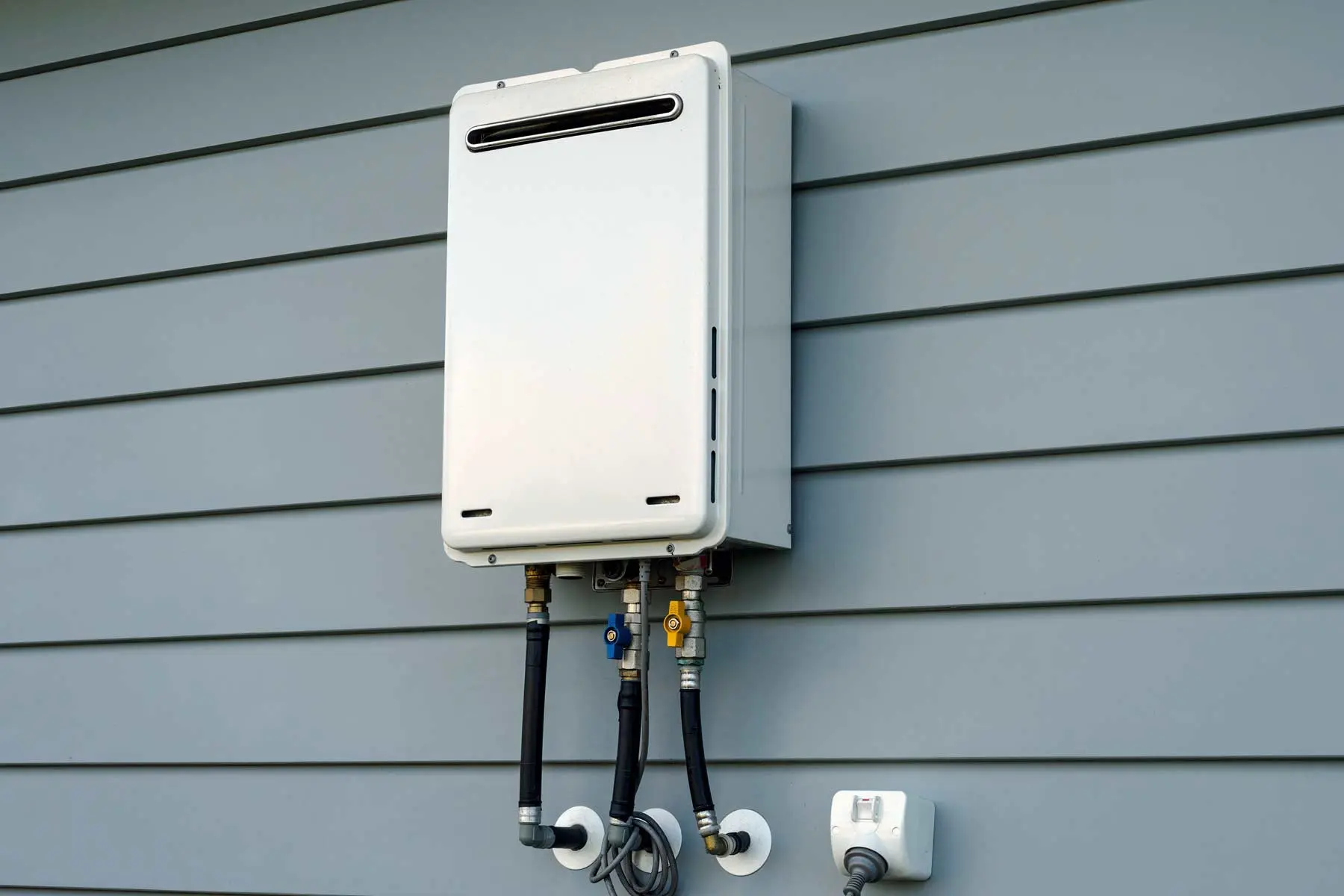
A tankless system heats water on demand instead of storing a finite supply. That means back to back showers, a dishwasher running while laundry is going, and a full house getting ready in the morning do not compete for the same forty gallons. For households that have learned to stagger showers around a tank running dry, that constraint disappears entirely.
The tradeoff runs the other way in homes with very high simultaneous demand, like several showers and appliances running at once in a large household. A single tankless unit has a flow rate limit, and asking it to cover more hot water draws than it is sized for at the same moment means the temperature dips instead of holding steady. Sizing the unit to the household’s actual peak demand, not just the square footage of the house, is what keeps that from becoming a problem after installation.
Why Space and Growth Matter in Five Forks and Powdersville
New construction and remodels in growing areas change what makes sense for a water heater choice. A tankless unit mounts on a wall and takes up a fraction of the footprint of a forty or fifty gallon tank, which matters in a newly built home where every closet and utility space was planned tightly. Homeowners remodeling an older Powdersville property often find that reclaiming a tank’s footprint opens up storage or utility space that a remodel plan was already trying to find room for.
Traditional tanks also have a shorter working life than a well maintained tankless unit, which means a family settling into a new Five Forks build is choosing between replacing a tank again in a decade or installing something built to run longer. That is not a small factor for anyone planning to stay in a home long term rather than treating the water heater as a problem for a future owner to deal with.
What Installation Actually Involves
A straight swap from tank to tankless is not always as simple as pulling one unit and mounting another. Gas-fired tankless units often need a larger gas line to supply the burner’s higher demand, and venting requirements differ from a standard tank setup. Electric tankless units can require an electrical panel upgrade if the existing panel was not sized for the additional load.
None of that makes the switch complicated so much as it makes it worth doing right the first time. A proper tankless water heater installation accounts for gas line sizing, venting, and code compliance up front, rather than treating those as details to work around after the unit is already mounted. Skipping that step is how homeowners end up with a unit that technically works but never performs the way it was supposed to.
Cost is the other piece worth being honest about. A tankless unit and its installation typically run higher upfront than swapping in another standard tank, largely because of the gas line, venting, or electrical work involved on top of the unit itself. What offsets that over time is lower energy use from not keeping a full tank hot around the clock, plus a longer service life than a standard tank offers, so the upfront gap narrows the longer the unit is in service.
For anyone weighing tankless against just replacing an aging tank with another tank, it helps to see both paths laid out side by side rather than deciding in the abstract. A closer look at water heater installation options, tank and tankless both, usually makes the tradeoffs clearer than reading a spec sheet for either one on its own.
Why This Decision Deserves a Real Look at the House, Not a Guess
The right water heater for a given home depends on how that household actually uses hot water, not a generic recommendation. A two-person household with moderate demand gets a very different answer than a family of five running two bathrooms and a laundry cycle at the same time most mornings. Walking through actual usage patterns before recommending tankless or traditional is what keeps the answer accurate instead of defaulting to whichever option is easier to sell.
That same walkthrough also catches the site-specific factors that change a project’s scope, like existing gas line capacity or panel space for an electrical upgrade. Finding that out before the work starts, not mid-installation, is what keeps a tankless upgrade from turning into a bigger job than anyone expected.
Find Out If Tankless Actually Fits Your Home
A tankless water heater is not automatically the better choice, and it is not automatically the wrong one either. It depends on how much hot water a household actually uses, what the existing gas or electrical setup can support, and how long the home plans to make use of the upgrade. Call 864-546-9959 and get a straight answer about whether tankless makes sense for your home before deciding either way.
0 Comments