Kitchen Sink Won’t Drain? When to Call a Plumber in Greenville, SC
Your Kitchen Sink Just Filled With Water and Won’t Drain
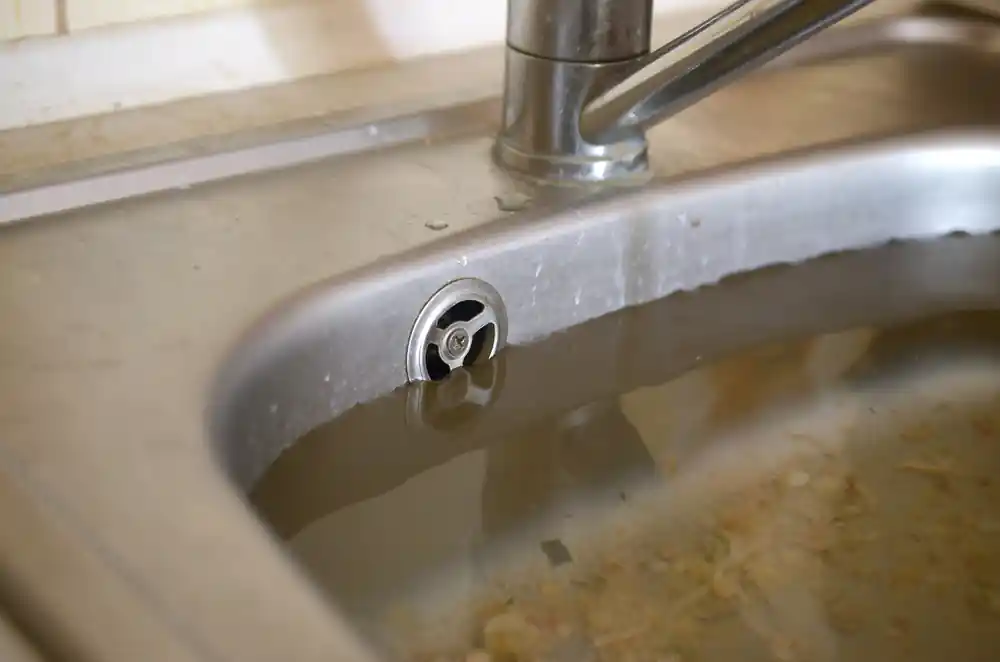
You’re in the middle of cleaning up after dinner. The sink is full of water and not draining. It’s backing up into the basin, and the smell is starting. This is the moment when you need to know whether a clogged kitchen sink plumber in Greenville SC is necessary or whether you can fix it yourself. Kitchen sinks clog for specific reasons that matter because they guide what method will actually work. Call Quik Plumbing at 864-546-9959 if you need help, but first understand what you’re dealing with and what you can safely try.
Why Kitchen Sinks Clog Differently Than Other Drains
A kitchen sink clog is usually not just hair. It’s grease, food particles, and buildup that hardens inside your pipes. When you rinse a greasy pan or pour cooking oil down the drain, that grease cools as it moves through the pipes and sticks to the walls. Over time, food scraps catch on that grease coating and pile up. A shower drain clogs from hair. A kitchen sink clogs because of what actually goes down it.
When you pour grease down your sink and wash it with hot water, you’re creating the problem. Hot water moves grease through the pipes, but as it cools further down the line, it solidifies and coats the inside of the pipe. Food particles stick to it. Eventually that buildup gets thick enough to slow or stop your drain.
Quick Fixes to Try Before Calling a Plumber
Start with the simplest method first. Remove any visible debris from the drain opening and the strainer. Hair, food scraps, or soap buildup might be sitting right at the surface. Pull out anything you can reach with your fingers or tweezers. This takes two minutes and sometimes solves the problem completely.
Boiling water is next. Fill a kettle with water, let it boil, and pour it slowly down the drain. Boiling water can dissolve grease that’s hardened just inside the drain and sometimes clears a mild clog. Wait a few seconds between pours to let each round work. If the water starts draining again, you’ve fixed it.
A plunger works on kitchen sinks the same way it works on other drains. Fill the sink with a few inches of water, place the plunger over the drain, and pump firmly several times. Do this for 30 seconds and then check if water drains. If the water still won’t drain after a good plunge, the clog is deeper.
The Baking Soda and Vinegar Method
Baking soda and vinegar creates a fizzing action that can break up some buildup. Pour half a cup of baking soda down the drain, followed by half a cup of white vinegar. Cover the drain with a stopper or wet rag to keep the fizzing action inside the pipe. Let it sit for 30 minutes, then flush with boiling water. This combination can dissolve mild grease and soap residue but won’t clear a serious blockage. If your kitchen sink still isn’t draining after this, the clog is too thick for baking soda to solve.
When a Plunger and Baking Soda Aren’t Enough
If you’ve tried boiling water, a plunger, and baking soda with vinegar and your kitchen sink still won’t drain, you need a clogged kitchen sink plumber in Greenville SC. Stop trying DIY methods that aren’t working. The longer you wait, the more water pools in your sink, and the more risk of water damage under your cabinet if there’s a leak.
Call a plumber immediately if you see water backing up into other drains when you try to use your kitchen sink. That pattern means the clog isn’t just in your sink’s individual branch line but is affecting the main line. When water backs up from one fixture into another, that’s a sign the blockage is serious and needs more than a plunger.
What a Plumber Will Do for a Kitchen Clog
A plumber will assess your kitchen sink clog by asking how long it’s been backing up and what you’ve already tried. They’ll use a drain camera to look inside the line and see exactly where the blockage is. For a kitchen sink, the camera usually shows grease coating the pipe walls with food debris stuck in it. If the clog is in the P-trap or branch line close to your sink, snaking often clears it. If the problem is buildup coating the entire line, hydrojetting works better by blasting grease and debris completely away from the pipe walls.
Drain Snake or Hydrojetting for Kitchen Clogs
A drain snake is the standard first choice for kitchen sink clogs because it’s faster and less expensive. If the clog is specifically food and grease buildup, snaking can break through it. However, if your kitchen sink has clogged before and keeps coming back every few months, snaking only temporarily fixes it. The buildup is still coating your pipes. Hydrojetting removes that buildup completely and prevents the same clog from happening next month.
Hydrojetting also makes sense if the camera shows that grease coating extends deep into your line, not just near your sink. In that case, snaking won’t solve the real problem. Hydrojetting will.
How to Prevent Your Kitchen Drain From Clogging Again
Stop pouring grease down your sink. Let grease cool in a pan or can, then throw it away in the trash. Use a drain strainer in your kitchen sink to catch food particles before they go down the drain. Empty the strainer into the trash, not back down the sink.
Don’t rely on hot water to clear grease. It just moves grease further down the line where it will cool and stick anyway. The grease will build up eventually.
Get Kitchen Drain Cleaning in Greenville, SC
A kitchen sink that won’t drain after you’ve tried basic fixes needs expert drain cleaning. Waiting and hoping it clears on its own just gives grease more time to build up and gives you more days of a backed-up sink. In Greenville, a clogged kitchen sink is one of the most common plumbing calls because grease buildup is predictable and preventable but also persistent.
Call Quik Plumbing at 864-546-9959 for kitchen drain cleaning and get your sink draining again today.

0 Comments