Tank vs. Tankless Water Heater in Greenville, SC: Which Replacement Is Better?
Your Water Heater Is Dying and You’re Seeing Tankless Water Heaters Advertised Everywhere and You’re Not Sure If the Hype Is Worth the Extra Cost
A traditional tank water heater and a tankless water heater do the same job, but they work very differently. A tank heats water constantly and stores it. A tankless unit heats water only when you need it. Both have advantages and disadvantages. The right choice depends on your household’s needs, your budget, and your home’s setup. Call Quik Plumbing at 864-546-9959 to discuss both options and understand which one makes sense for your home and budget.
How Tank Water Heaters Work
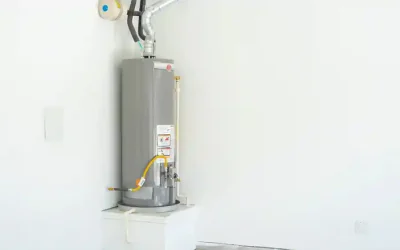
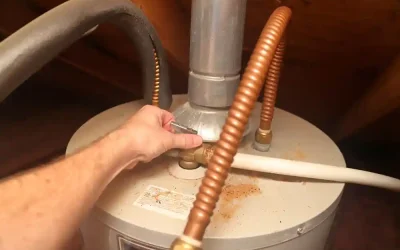
A traditional tank water heater stores 40 to 50 gallons of hot water at all times. The unit heats water and keeps it ready to use. When you turn on a hot water tap, hot water flows from the tank. When the tank’s temperature drops, heating begins again. The tank is always maintaining heat, even when nobody is using hot water. This constant heating costs energy, but the upfront cost of a tank heater is lower than tankless.
How Tankless Water Heaters Work
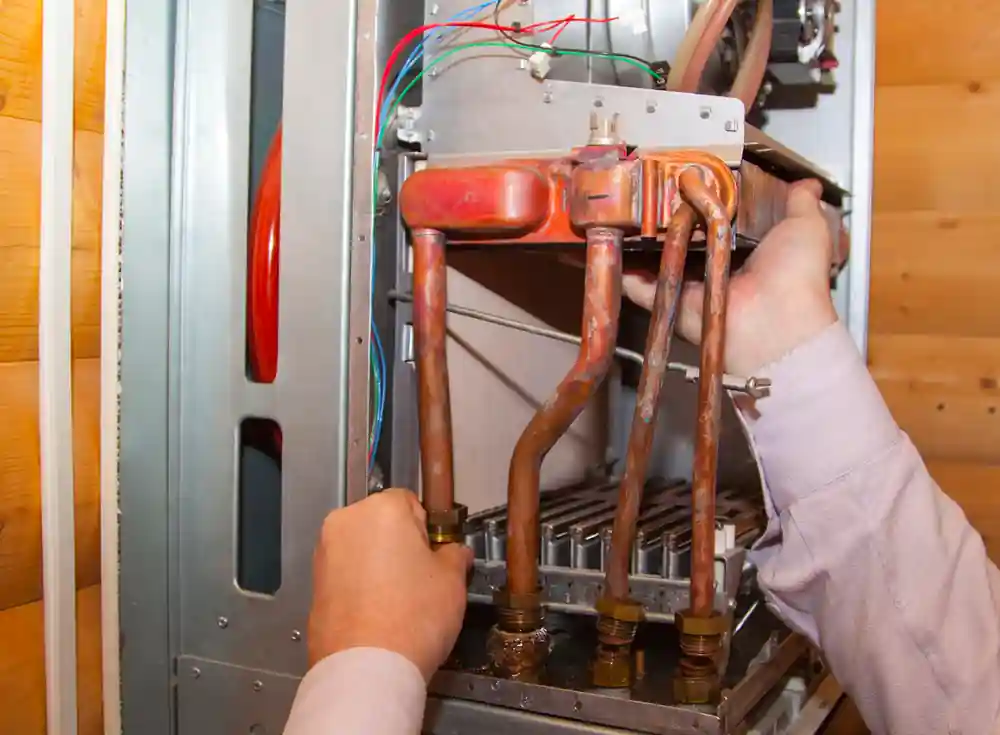
A tankless water heater heats water on demand. When you turn on the hot water tap, cold water flows into the unit and gets heated instantly. No water sits in storage waiting to be used. When you turn off the tap, heating stops. The unit only uses energy when you actually need hot water. This saves energy compared to a tank that maintains heat constantly. The downside is higher upfront cost and a smaller flow rate of hot water simultaneously.
The Cost Comparison
A traditional tank water heater costs less upfront, typically $300 to $800 for the unit itself, plus installation. A tankless water heater costs more upfront, typically $1,000 to $2,500 for the unit alone, plus installation. The price difference is substantial. However, a tankless unit uses less energy monthly, potentially saving $50 to $150 a year depending on usage. Over 10 years, energy savings might recover some of the higher upfront cost. For many homeowners, the lower initial price of a tank unit is a deciding factor.
Energy Efficiency and Operating Costs
Tankless water heaters are more energy efficient because they don’t maintain stored heat. A home using significant hot water might save $200 to $300 annually with tankless. Moderate usage might save $50 to $100 a year. The savings depend on your patterns. For smaller households with low hot water use, tankless energy savings might not justify the higher upfront cost. For households using hot water constantly, tankless savings accumulate faster.
Flow Rate and Simultaneous Hot Water Use
A tank water heater stores hot water, so multiple taps can run simultaneously. You can shower while the dishwasher runs and someone else does laundry, all using hot water at once. A tankless unit heats water instantly, but there’s a limit to how much it can heat at once. If you have two showers running simultaneously on a tankless heater, the flow rate of hot water might slow down at each shower. For large households with high simultaneous hot water demand, a tank unit handles the load better. For smaller households with moderate use, tankless works fine.
Installation Complexity and Space
Installing a tank water heater is straightforward. The plumber removes the old unit, installs the new one in the same space, and connects the plumbing. A tankless unit installation is more complex. It requires precise venting, gas line work, water line modifications, and sometimes electrical upgrades. Tankless units are small and take up less space, which appeals to homeowners with tight utility rooms. But the installation work is more involved and takes longer. If your current space is tight, tankless saves space. If installation simplicity matters, a tank is easier.
Venting and Gas Line Requirements
Gas tank water heaters need venting for combustion gases. A tankless unit requires high-temperature venting and specific gas line sizing. If your home lacks the right venting or gas capacity, upgrading adds cost. A tank unit often uses existing infrastructure. If you’re willing to invest in new venting and gas work, tankless is possible. If your current setup is limited, a tank is simpler.
Longevity and Maintenance
A tank water heater typically lasts 10 to 15 years. Maintenance is minimal. A tankless unit typically lasts 15 to 20 years, longer than a tank. Tankless units require periodic descaling to remove mineral buildup, which is maintenance a tank doesn’t need. The longer lifespan of tankless units is an advantage, but it’s offset by the higher upfront cost and more complex maintenance.
When a Tank Water Heater Is the Better Choice
A tank heater is the right choice if upfront cost matters most. A tank is better if you need multiple simultaneous hot water sources without flow restrictions. A tank is the choice if your home’s venting and gas setup is limited. A tank is best if you want simple, straightforward installation. A tank is right if you prefer minimal maintenance and don’t need to think about your water heater much.
When a Tankless Water Heater Is the Better Choice
A tankless heater is right if you want to minimize energy costs and you’re willing to pay more upfront. Tankless is better if you have space constraints and need a compact unit. Tankless is the choice if you plan to stay in your home long enough to recoup the higher upfront cost through energy savings. Tankless is right if your household is small to moderate and simultaneous hot water demand isn’t an issue. Tankless is the choice if you want a system that lasts longer and requires less physical space.
Gas Versus Electric Considerations
Most tankless units run on gas because gas heating delivers on-demand hot water instantly. Electric tankless units require significant electrical upgrades in most homes. If you’re considering tankless, you’re likely looking at a gas unit with venting and gas line work included in installation.
Make Your Choice Based on What Matters Most
Tank and tankless water heaters both work. The choice comes down to your priorities. If upfront cost and simplicity matter most, a tank is right. If energy efficiency and space-saving matter most, tankless is right. For water heater installation in Greenville, discuss both options with a plumber who can explain how each fits your home and budget.
Call Quik Plumbing at 864-546-9959 to compare tank and tankless options for your home and decide which replacement makes the most sense.
0 Comments